Leveraging AI for E-commerce Success
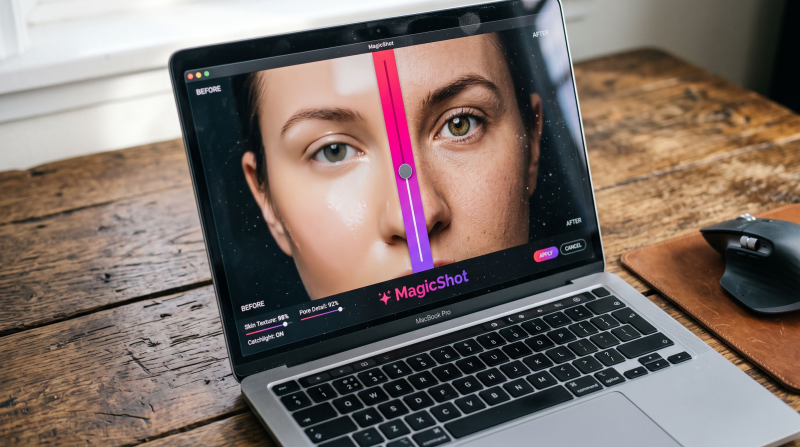
One of the most significant advantages of AI-generated product images is their ability to enhance product presentations. By creating visually appealing images, businesses can capture the attention of potential customers and drive sales. For example, AI can be used to generate high-quality product images that accurately represent the product and highlight its key features. This can help to reduce customer returns and increase customer satisfaction.Ethical Considerations in AI-Generated Product Images
While AI-generated product images offer numerous benefits, it is crucial to consider the ethical implications of this technology. One of the primary concerns is the potential for misrepresentation. AI algorithms can be trained on vast datasets of images, allowing them to generate highly realistic visuals. However, this capability can also be used to create misleading or deceptive images. To address this issue, transparency is essential. Businesses that utilize AI-generated images should be upfront about their use of this technology. By disclosing the use of AI, companies can build trust with consumers and avoid potential legal issues. Another ethical consideration is the impact of AI-generated images on consumer trust. Consumers rely on product images to make informed purchasing decisions. When images are manipulated or distorted, it can erode consumer trust in online retailers. To maintain trust, businesses must ensure that AI-generated images accurately represent the product and avoid misleading consumers.Balancing Innovation and Ethics
While the ethics of AI-generated product images are significant, the potential benefits are undeniable. By leveraging AI, businesses can create more engaging and visually appealing product presentations, leading to increased sales and customer satisfaction. To strike a balance between innovation and ethics, businesses should adhere to the following guidelines:- Transparency: Disclose the use of AI-generated images to consumers.
- Accuracy: Ensure that AI-generated images accurately represent the product.
- Ethical Use: Avoid using AI to create misleading or deceptive images.
- Human Oversight: Maintain human oversight in the image creation process to ensure quality and accuracy.
- Industry Standards: Adhere to industry standards and guidelines for ethical AI practices.
The Future of AI-Generated Product Images
The future of AI-generated product images is bright, but it is imperative to approach this technology with caution and responsibility. By addressing the ethical concerns and embracing transparency, businesses can leverage AI to create innovative and engaging product experiences that benefit both consumers and businesses. Platforms like MagicShot are at the forefront of AI-powered image generation. They can help you boost your e-commerce sales with AI-generated product photos. By understanding the ethical implications and utilizing AI responsibly, businesses can harness the power of this technology to drive growth and success.Conclusion
The ethics of AI-generated product images is complex, but by prioritizing transparency, accuracy, and ethical practices, businesses can navigate this landscape successfully. By embracing AI responsibly, we can unlock the full potential of this technology while ensuring that it benefits both consumers and businesses.
Try Countless AI Image, Video, and Audio features on MagicShot.ai
Generate realistic photos of anything. Imagine, describe and create those images within seconds. Enhance your existing photos with our advanced AI engine.
Download App Now