Why AI Image Generation is a Game-Changer for Online Ads
There are several compelling reasons why AI image generation should be a staple in your online advertising arsenal:- Unleash Creativity: Stuck in a creative rut? AI can spark fresh ideas by generating visuals based on your prompts, pushing boundaries and breaking away from generic ad formats.
- Boost Efficiency: Skip expensive photoshoots and long design sessions. Generate multiple image variations in minutes, allowing for rapid A/B testing and optimization.
- Reduce Costs: AI image generation is often significantly cheaper than traditional photography or graphic design, freeing up valuable resources for other marketing initiatives.
- Personalize Your Message: Tailor your visuals to resonate with specific demographics or interests. Create culturally relevant images for different regions or age groups.
- Target Niche Audiences: Generate visuals featuring diverse models, settings, and scenarios to better represent your target audience and foster inclusivity.
Getting Started with AI Image Generation for Your Ads
Ready to explore the world of AI image generation? Here's a step-by-step guide to get you started:1. Choose the Right Tool:
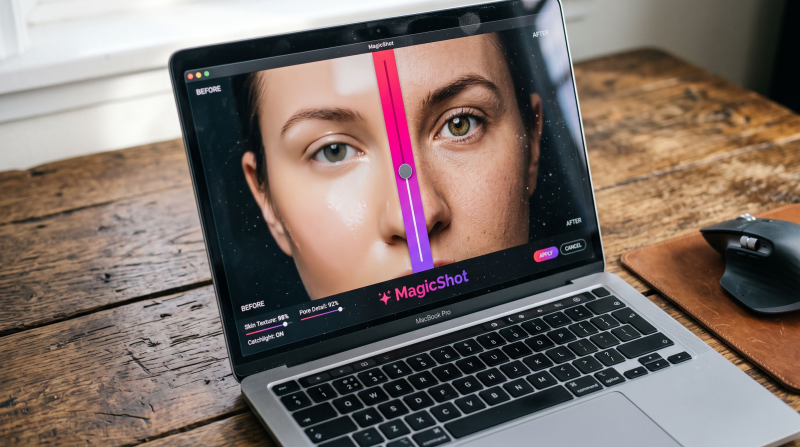
Several AI image generation platforms cater to different needs and budgets. Some popular options include: For easy starting points, consider user-friendly AI image generators like MagicShot.ai. It offers pre-built ad templates specifically designed for online campaigns. Other options include Midjourney (advanced prompts needed), DALL-E 2 (limited access), NightCafe Creator (various art styles), and Creatopy (design platform integration). Remember: To get started with AI image generation for your online ads, consider using a tool like MagicShot.ai. It's specifically designed to help you create high-converting visuals effortlessly.2. Craft Compelling Prompts:
The key to generating amazing visuals lies in your descriptive text prompts. Here are some tips for crafting effective prompts:- Be Specific: Describe the desired image in detail, including objects, characters, setting, mood, and style.
- Use Keywords: Include relevant keywords that represent your brand and target audience.
- Reference Existing Images: Provide links or descriptions of pictures that capture the feel you're aiming for.
- Start Simple: Begin with straightforward prompts and gradually add complexity as you get comfortable.
3. Experiment and Refine:
Don't expect perfection on your first try. Experiment with different prompts and settings within the chosen AI platform. Refine your prompts based on the generated images, and keep iterating until you achieve the desired results.4. Integrate into Your Ad Design:
Once you have your AI-generated visuals, seamlessly integrate them into your online ads. Consider the overall aesthetic, font pairings, and call-to-action elements for a cohesive and impactful message.5. Track and Analyze Performance:
Monitor the performance of your ads with AI-generated images compared to traditional methods. Use analytics tools to measure click-through rates, conversion rates, and engagement metrics.Overcoming Challenges and Ethical Considerations
While AI image generation offers incredible benefits, it's important to be aware of potential challenges and ethical considerations:- Bias: AI models are trained on existing data, which can sometimes lead to biased results. Choose platforms that promote fair representation and offer options to fine-tune the generated images.
- Copyright Concerns: Ensure the platform you choose respects copyrights and generates unique visuals that don't infringe on existing intellectual property.
- Skill Curve: Mastering AI image generation requires practice and experimentation. Start with user-friendly tools and explore tutorials to improve your prompt-writing skills.
The Future of AI Image Generation in Online Advertising
AI image generation is still in its early stages, but it's rapidly evolving. We can expect to see even more advanced features in the future, such as:- Automated Ad Creation: AI systems could generate entire ad campaigns, including visuals, copy, and targeting, based on campaign objectives and audience data.
- Real-Time Image Customization: Ads could dynamically adapt to user preferences and behaviors, delivering personalized visuals in real-time.
- Hyper-Realistic Imagery: AI could create photorealistic images that are indistinguishable from actual photographs, blurring the lines between reality and the digital world.
Conclusion
AI image generation is undoubtedly revolutionizing the way we create and deliver online ads. By harnessing the power of this technology, businesses can unlock new levels of creativity, efficiency, and personalization. While challenges and ethical considerations exist, the potential benefits far outweigh the drawbacks. Embracing AI image generation is no longer an option but a necessity for staying ahead in the competitive online advertising landscape. By following the guidelines outlined in this guide and continually exploring the latest advancements, you can create compelling ads that captivate your audience and drive exceptional results. Are you ready to elevate your online advertising game with AI image generation? Start experimenting today and witness the transformative impact on your campaigns!
Try Countless AI Image, Video, and Audio features on MagicShot.ai
Generate realistic photos of anything. Imagine, describe and create those images within seconds. Enhance your existing photos with our advanced AI engine.
Download App Now